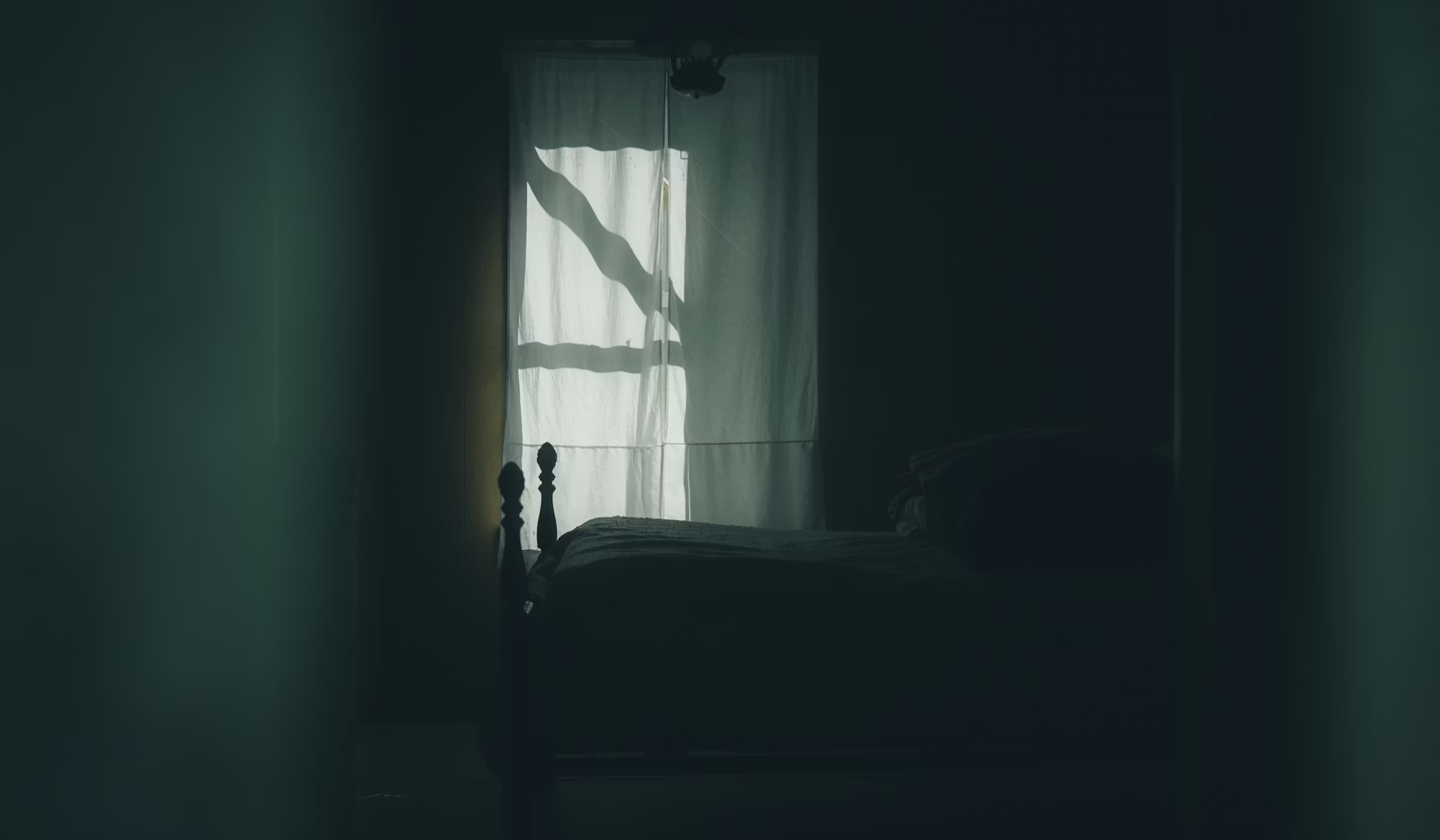
Designing your dream bedroom is an exciting endeavor that allows you to express your personal style and create a sanctuary tailored to your needs. A well-designed bedroom not only enhances your comfort but also serves as a reflection of your personality. In this article, we will explore various aspects of bedroom design, from layout and color choices to decor and functional elements, ensuring you create a space that feels uniquely yours.
To begin, consider the layout of your bedroom. The arrangement of furniture plays a crucial role in how the space functions and feels. Start by identifying the room’s focal point, typically the bed. Placing the bed against the longest wall creates a balanced appearance and leaves ample space for movement around the room. If possible, position the bed to face the door or window, allowing you to enjoy natural light and views. This not only enhances the visual appeal but also creates a welcoming atmosphere.
Once you have established the focal point, think about the remaining furniture pieces. Nightstands on either side of the bed can provide additional storage and a place for essential items. If space permits, consider adding a comfortable chair or a small reading nook, creating a cozy corner for relaxation. Additionally, ensure that pathways are clear, allowing easy movement and contributing to an uncluttered feel.
Color choice is another critical aspect of bedroom design. The colors you choose can dramatically affect the mood of the space. For a calming and serene environment, opt for soft, neutral tones such as whites, beiges, and light grays. These hues create a sense of tranquility and can make a small space feel larger. If you prefer bolder colors, consider using them as accents through decor items such as pillows, artwork, or rugs. This allows you to infuse personality without overwhelming the room. Accent walls can also provide a striking visual element while maintaining balance in the overall design.
Textiles and materials are essential in creating a comfortable and inviting bedroom. Begin with a quality mattress and bedding that promote restful sleep. Layering different textiles can enhance the coziness of the room; consider combining soft blankets, decorative throws, and an array of cushions to create an inviting bed. Incorporate a variety of textures through rugs and curtains to add depth and visual interest. Soft fabrics can create a warm ambiance, while light, airy materials can contribute to a fresh and open feel.
Lighting is crucial in establishing the mood of your bedroom. A well-lit room can feel more spacious and inviting. Utilize a combination of ambient, task, and accent lighting to create a versatile lighting scheme. Overhead fixtures provide general illumination, while bedside lamps offer focused light for reading or relaxing. Wall sconces can save surface space and add elegance, contributing to a layered lighting effect. Dimmable lights allow you to adjust the brightness based on your activities, providing flexibility for different moods and moments.
Storage solutions are vital in maintaining an organized and clutter-free bedroom. A tidy space promotes relaxation and calmness, making it essential to integrate clever storage options. Multi-functional furniture, such as beds with built-in drawers or ottomans that double as storage, can help maximize space. Additionally, use decorative baskets or boxes to keep smaller items organized while adding to the decor. Wall-mounted shelves can display books, plants, or personal items, providing both storage and style.
Personalization is key to making your bedroom feel like home. Incorporate elements that resonate with you, such as artwork, photographs, or cherished souvenirs. These personal touches create a sense of belonging and comfort in the space. Consider creating a gallery wall featuring your favorite pieces, or incorporating plants to bring life and vibrancy to the room. Indoor plants not only improve air quality but also add a natural element that enhances the overall ambiance.
Mirrors can be a transformative addition to a bedroom, creating the illusion of space and enhancing light. Positioning a large mirror opposite a window can reflect natural light, brightening the room and making it feel larger. Decorative mirrors can also serve as stylish accents that contribute to the overall decor. Additionally, mirrors can help in checking your outfit and adding a touch of elegance.
When considering design styles, think about what resonates with you personally. A minimalist approach emphasizes clean lines and simplicity, allowing for a serene and uncluttered environment. This style often features neutral colors, functional furniture, and an overall sense of calm. Incorporate statement pieces, such as a unique light fixture or a striking piece of art, to create focal points without overwhelming the space.
If you lean towards a more eclectic aesthetic, don’t hesitate to mix patterns, colors, and textures. This approach allows for creativity and self-expression, showcasing your individuality. Layer textiles, combine vintage finds with modern pieces, and use bold colors to create a lively and inviting atmosphere. An eclectic design fosters a sense of warmth and personality, making the bedroom a true reflection of you.
For those who appreciate a cozy, rustic vibe, consider using natural materials such as wood, stone, and warm textiles. A rustic bedroom can feature reclaimed wood furniture, warm color palettes, and elements that evoke a sense of nature. This style promotes comfort and relaxation, often incorporating cozy textiles and decorative touches that enhance the charm of the space.
Incorporating technology can also enhance the functionality of your bedroom. Smart lighting systems that can be controlled via your smartphone or voice commands allow for customizable ambiance. Built-in speakers or sound systems can create a soothing audio backdrop, perfect for winding down or enjoying your favorite tunes. However, it’s important to maintain a balance; ensure that technology enhances rather than detracts from the calming atmosphere of your sanctuary.
As you embark on your bedroom design journey, remember to take your time and explore various options. Experiment with different layouts, color schemes, and decor until you find the combination that feels just right. Designing your dream bedroom is about creating a space that is not only visually appealing but also functional and comforting.
In conclusion, designing a personalized bedroom involves thoughtful consideration of layout, color, textiles, and decor. By carefully planning each element, you can create a space that reflects your style and enhances your overall well-being. Embrace your individuality and incorporate personal touches that make your bedroom truly yours. With creativity and attention to detail, you can transform your bedroom into a sanctuary that invites relaxation and rejuvenation.
Related Posts

Architectural Styles: A Guide to Modern Home Design
Architecture is a living history that reflects the evolution of…

Creating Cozy Spaces: The Essential Elements of Home Design
When it comes to home design, the goal is to…

Exploring the Versatility of Convertible Apartments
Convertible apartments, also known as flex apartments, have emerged as…