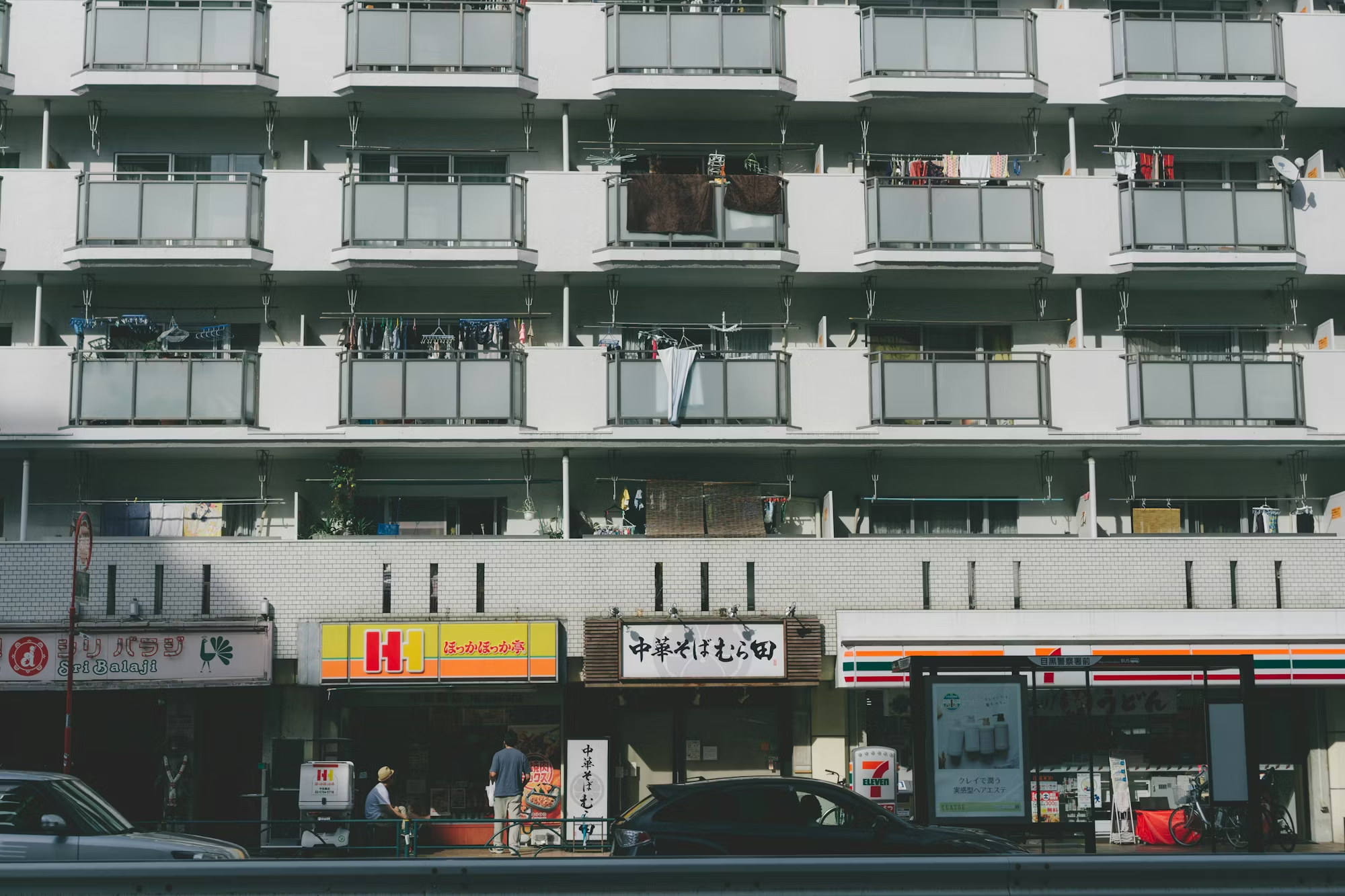
Smart cities represent the future of urban living, integrating technology and data-driven solutions to enhance the quality of life for residents. As urban areas continue to grow, the need for sustainable, efficient, and connected environments becomes paramount. This trend has significant implications for the real estate industry, presenting both opportunities and challenges for developers and investors. One of the most compelling aspects of smart cities is their focus on sustainability. Developers are increasingly adopting green building practices that minimize environmental impact while maximizing energy efficiency. By incorporating renewable energy sources, advanced insulation techniques, and sustainable materials, new developments can significantly reduce their carbon footprint. These eco-friendly designs not only appeal to environmentally conscious buyers but also often lead to cost savings over time. Additionally, smart city initiatives promote the integration of technology into urban infrastructure. The use of data analytics and Internet of Things (IoT) devices enables cities to optimize services such as waste management, traffic control, and energy distribution. This interconnectedness enhances the livability of urban environments, making them more attractive to potential residents and businesses. For real estate developers, this creates a unique opportunity to create properties that are not only technologically advanced but also more responsive to the needs of the community. Mixed-use developments, which combine residential, commercial, and recreational spaces, are becoming increasingly popular in smart cities. These projects foster a sense of community by providing residents with easy access to amenities, workspaces, and green areas. By designing spaces that encourage social interaction and collaboration, developers can create vibrant neighborhoods that attract a diverse population. However, the transition to smart cities is not without its challenges. The rapid pace of technological change can create uncertainty in the real estate market, as developers must stay abreast of the latest innovations to remain competitive. Moreover, the cost of integrating advanced technologies into new developments can be significant, requiring careful financial planning and investment. Community engagement is also crucial in the development of smart cities. Residents should have a voice in the planning process to ensure that their needs and preferences are considered. This collaborative approach can help to build trust and support for smart city initiatives, ultimately leading to more successful outcomes. In conclusion, the emergence of smart cities is reshaping the real estate landscape, offering exciting opportunities for developers who embrace innovation and sustainability. By focusing on creating connected, efficient, and inclusive urban environments, stakeholders can contribute to the development of vibrant communities that enhance the quality of life for all residents. The future of real estate in smart cities is bright, reflecting a commitment to sustainability and technological advancement that will define urban living for generations to come.
Related Posts
Exploring Luxury Condominiums: The Epitome of Comfort and Style
Luxury condominiums are redefining urban living by combining sophistication, comfort,…

Maximizing Space: Innovative Storage Solutions for Every Home
In today’s fast-paced world, efficient storage solutions are essential for…

Exploring the Versatility of Convertible Apartments
Convertible apartments, also known as flex apartments, have emerged as…